
Series
Exhibition
Community
Culture
The List
Hear about upcoming shows. We aim not to send more than one update per week.
About
Mission
Space
Connect


hello@heronarts.com
7 Heron St, SF CA
Hours and appointments vary by exhibition, please check the specific event listing.
All Rights Reserved
Exhibition Series
21st Century Sucks
Tim Williams
Closing Artist Talk Thursday July 9th 6-8pm
On view thru July 11th
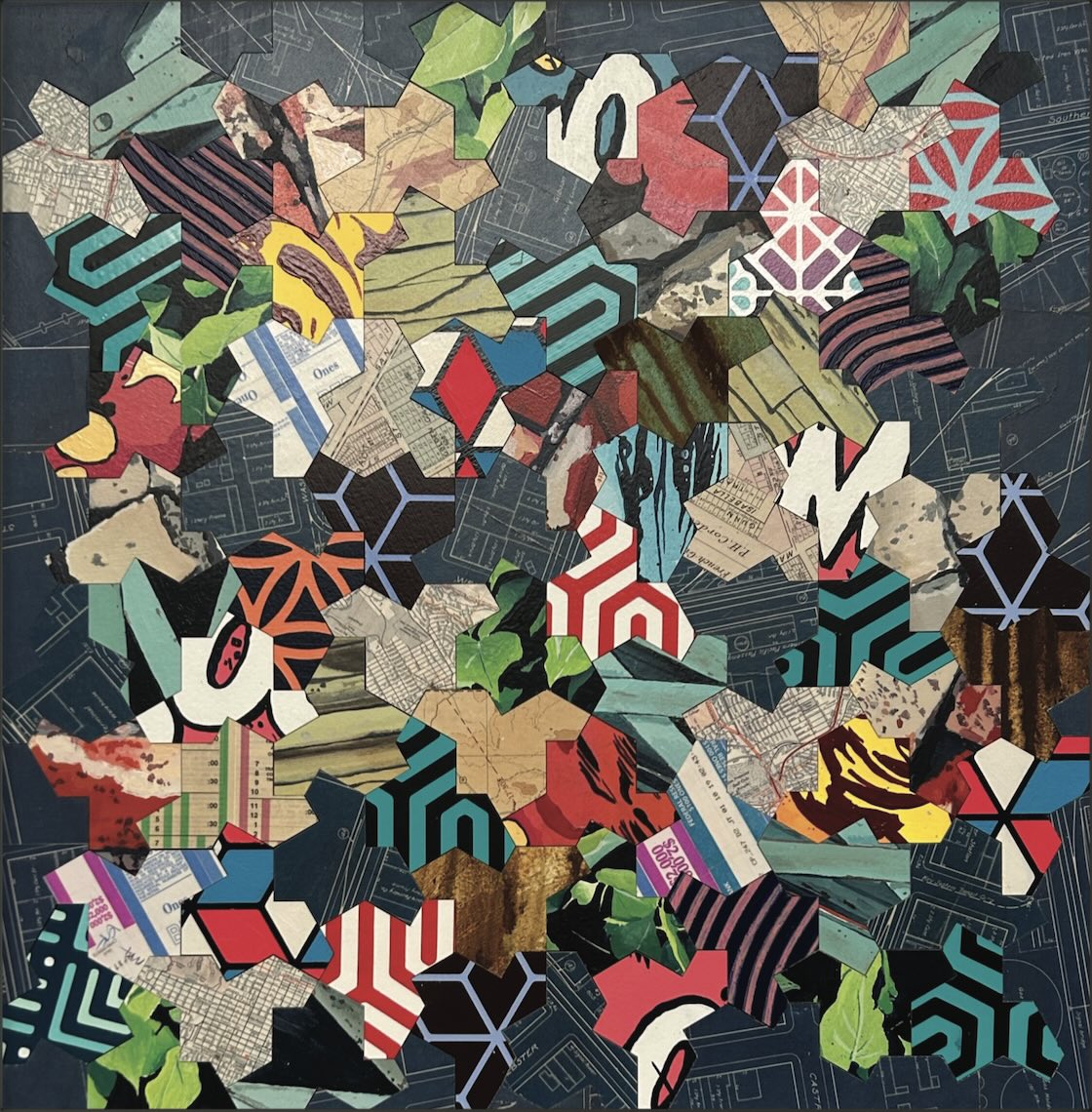
Bold depictions of high octane elements are counterweighted by soft, floral adornments that harness quiet resiliency in Tim Williams’ 21st Century Sucks series. These heavy industrial components, along with other motifs of antiquated Muni bus tickets, comic book excerpts, graffiti, and retro geometric patterns all contend for the viewer's attention. Williams composes a dynamic relationship between high speed and stillness, flourish and collapse through his own photography and his affinity to machinery that moves to accelerate capitalism. The tension that exudes from 21st Century Sucks requires the viewer to accept that chaos and beauty have to exist together.
Williams’ creative process is dense with revelation, allowing his collection of images to disclose something new about the world, adding to an inner system of curiosity, disillusionment, and nostalgia. Several works highlight the Einstein tile, a mathematical problem involving geometric tessellation, that straddles structure without repetition and order without resolution. Williams unearths older paintings and cuts them into aperiodic tiles that then form his final painting. The placement of tiles is intuition based and Williams, while keeping things open-ended, taps into the idea of constant change within a confined space.
ARTIST STATEMENT
This body of work came out of a natural pull toward the visual language of the 21st century.
Images shaped by excess, speed, contradiction, and collapse. Using collaged imagery from
my own photographs, planes, trains, automobiles, and the debris of modern life I build dense
compositions that reflect a world already coming apart. Within that chaos, there are still moments of beauty. Plants and flowers push through the wreckage, but they don’t fix it.
While working on these paintings, I came across the Einstein tile. Part of a long mathematical pursuit to understand how shapes can cover a surface without repeating. For decades, mathematicians tried to simplify these systems, reducing complex sets of tiles into fewer and fewer forms. Early solutions required dozens of shapes, then a handful, then eventually just two. Progress stalled there, and many believed it might be impossible to reduce it any further to a single shape that could tile infinitely without repetition. That changed with the recent discovery of the Einstein tile: one irregular form that can cover an infinite plane without ever repeating. It creates structure, but never symmetry. Order, but never resolution. That idea clicked immediately. The paintings were already fragmented and unstable, built from layers that resist a single clear reading. Cutting them into these tiles felt like a continuation of that logic. Instead of containing the chaos inside the frame, I could break it apart and let it reorganize into something that keeps shifting, something that doesn’t resolve.
Once cut, the work changes completely. The compositions are no longer fixed, they’re broken, rearranged, and reassembled into a system that refuses to settle. Just when an image starts to come together, it falls apart again. The work stops being a picture and becomes a process. At a certain point, it stopped feeling like I was just describing chaos...it started to feel like I was working inside the same system we’re all living in. Artificial intelligence doesn’t just add to the instability of the 21st century it accelerates it. It breaks things down, recombines them, and produces endless variations without resolution. The world starts to behave the same way the tiles do. Non-linear, constantly shifting, and harder to make sense of. Cutting and reorganizing the paintings becomes a direct reflection of that. What starts as an image of chaos turns into a system that keeps reconfiguring itself. There’s no final version, just iterations. This work frames the 21st century as a system that no longer resolves. Only expands, fractures, and reorganizes itself faster than we can make sense of it.
ARTIST BIO
Tim Williams (OPTIMIST) is a San Francisco–based artist whose work explores the tension between chaos and control, beauty and collapse. He developed his visual language through graffiti, traveling extensively and using the street as both studio and vehicle for exploration.
Working across painting, collage, and photography, Williams constructs dense compositions from images gathered around the world—planes, infrastructure, debris, and fragments of everyday life—reflecting the compression and instability of the 21st century. These works are often disrupted by the presence of plants and organic forms, suggesting resilience and the persistence of life within systems of decay.
His recent work expands this approach through the use of aperiodic tiling, cutting and reassembling paintings into non-repeating structures that resist fixed resolution. The process mirrors the conditions the work emerges from: a world defined by constant change, uncertainty, and the illusion of order.
Works
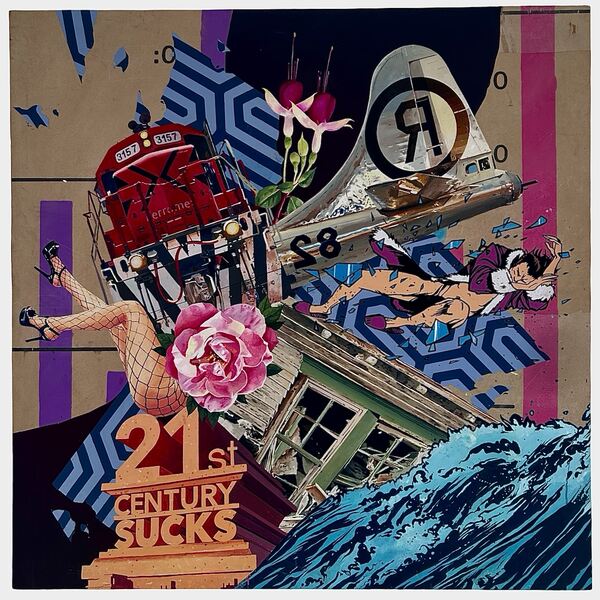
21st Century Sucks
Tim Williams
$8,000Inquire
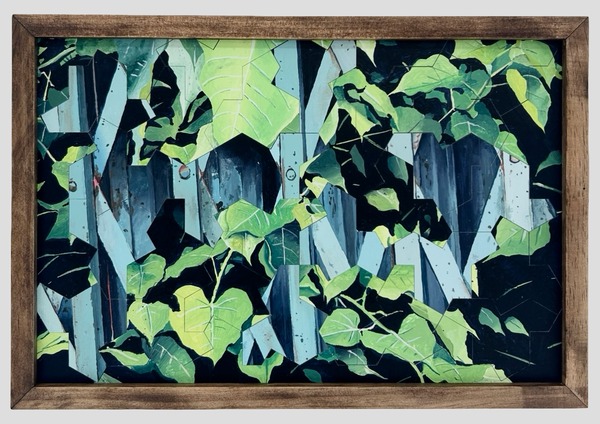
All work and no Plagiarism
Tim Williams
$850•
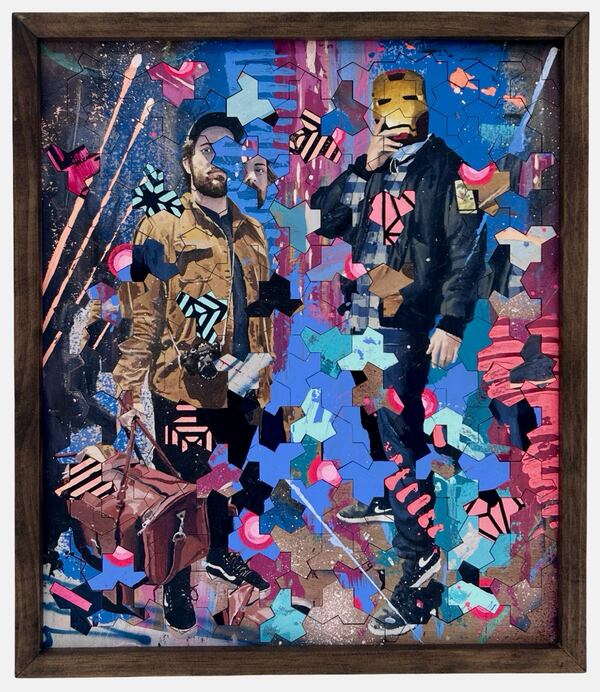
Analogue nomads
Tim Williams
$1,500•
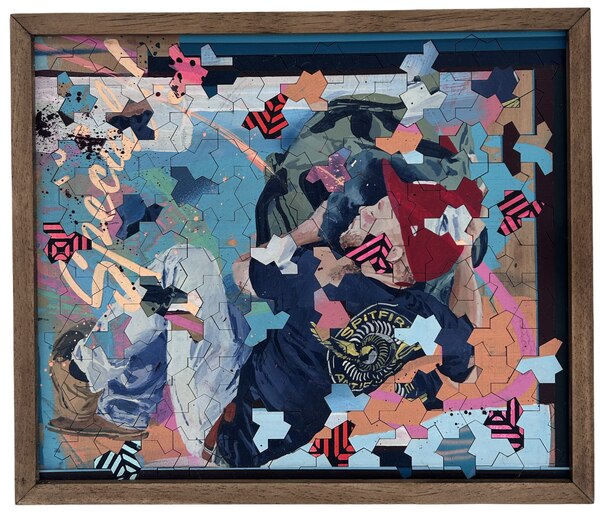
Another Rack Runner Miracle
Tim Williams
$1,500Inquire
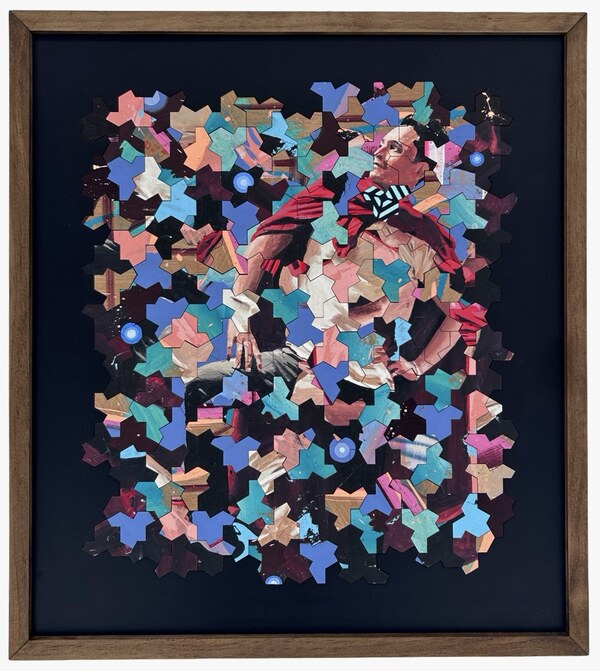
Chaos has a way of finding you
Tim Williams
$1,800Inquire
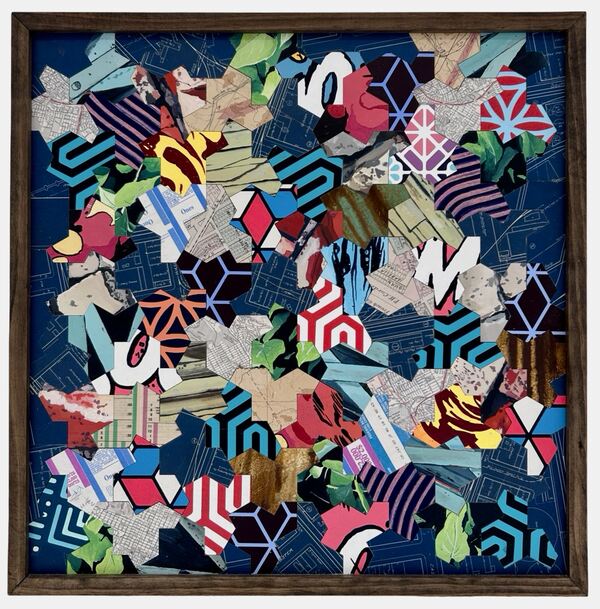
Coincidence
Tim Williams
$2,400Inquire
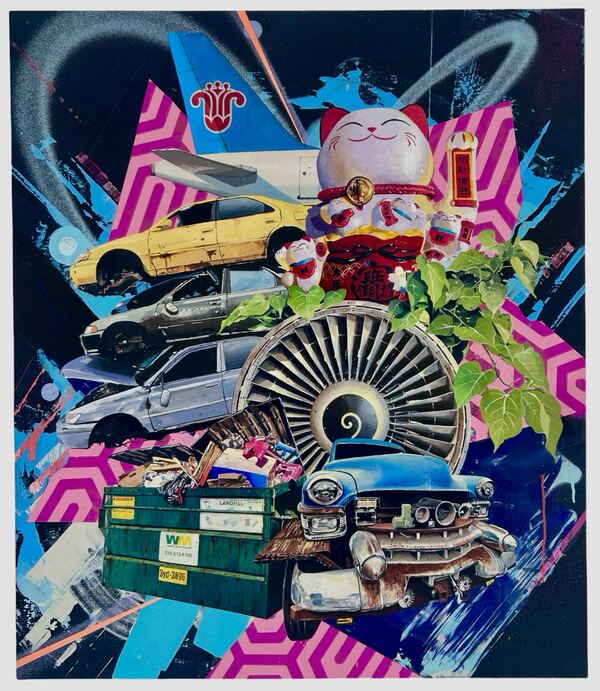
Quietly yearning for what you don't have while dreading losing what you do
Tim Williams
$7,000Inquire
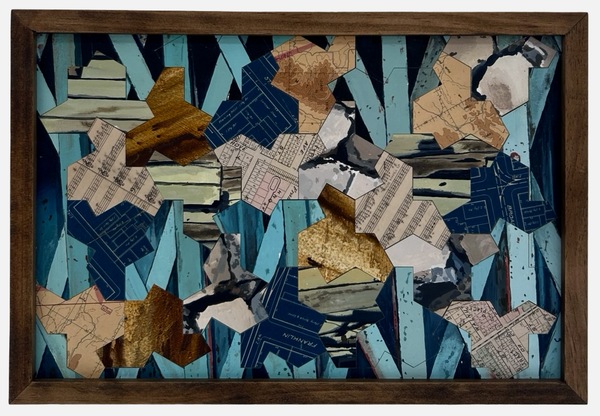
The gates of perception
Tim Williams
$850•
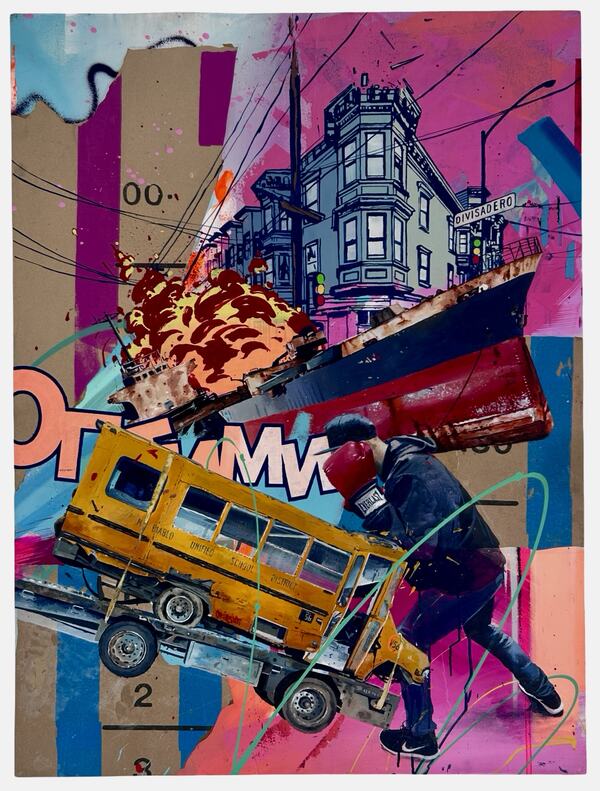
false highs and true lows
Tim Williams
$6,800Inquire
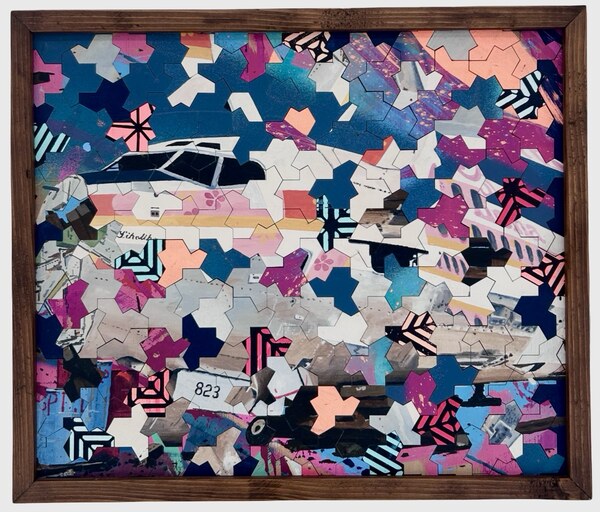
Thinking of you
Tim Williams
$1,500Inquire
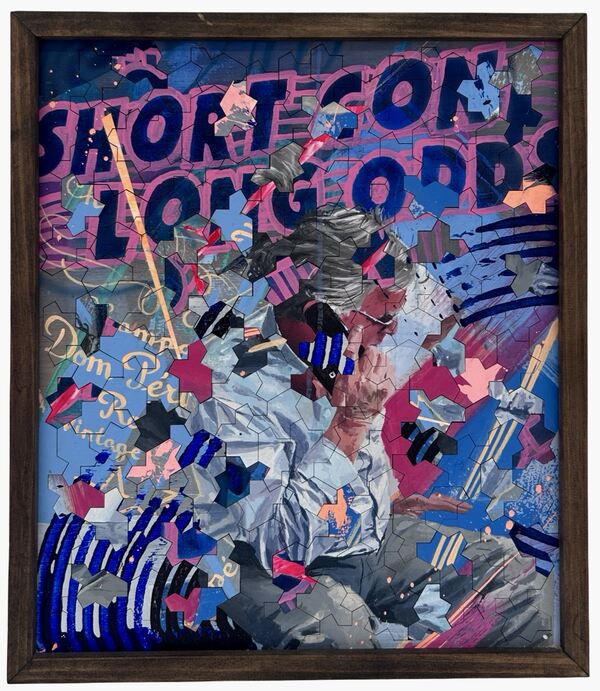
Short con long odds
Tim Williams
$1,500•
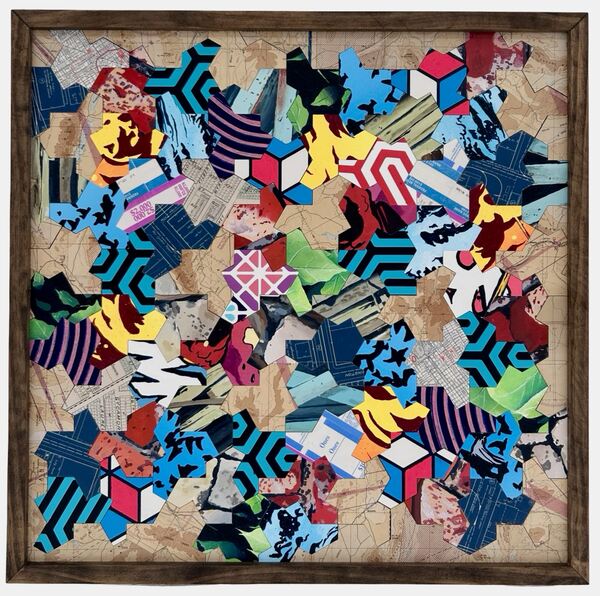
Fate
Tim Williams
$2,400Inquire
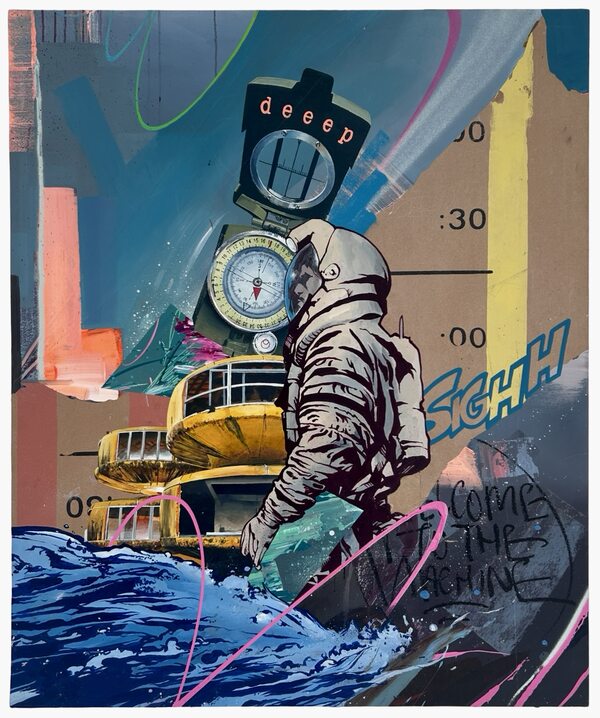
Deep Sigh
Tim Williams
$7,000Inquire
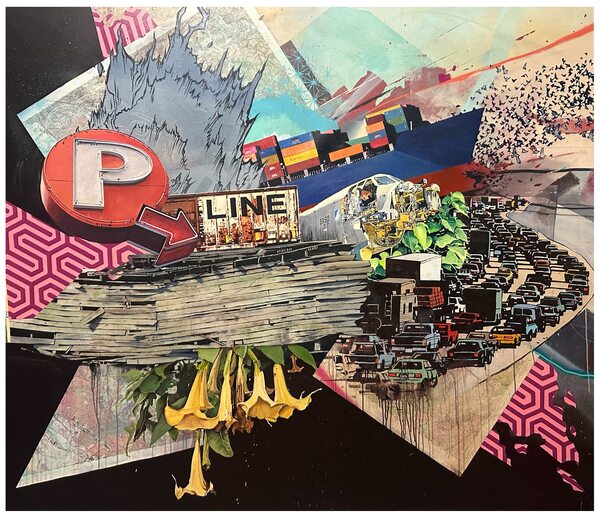
Late stage traffic jam
Tim Williams
$20,000Inquire
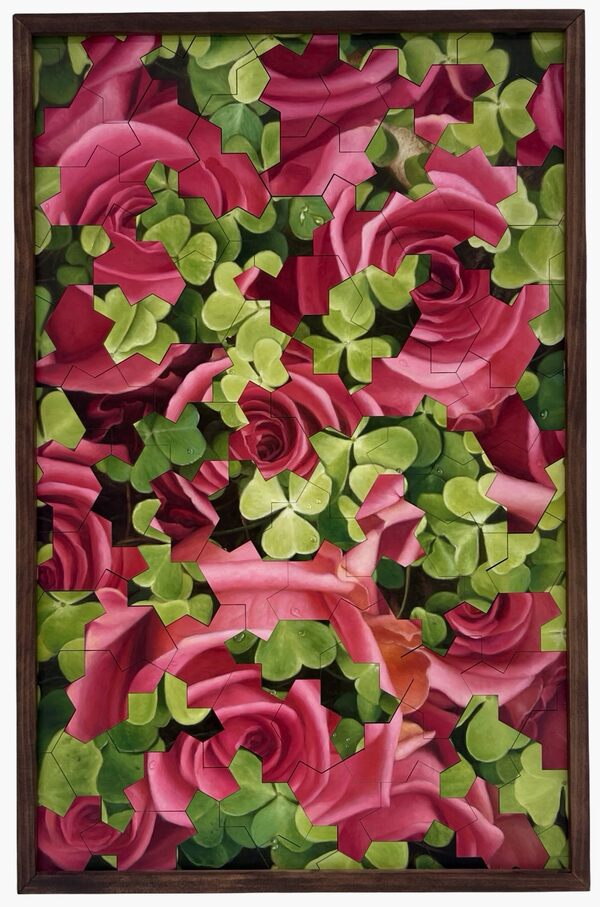
Love and Luck #1
Tim Williams
$4,500Inquire
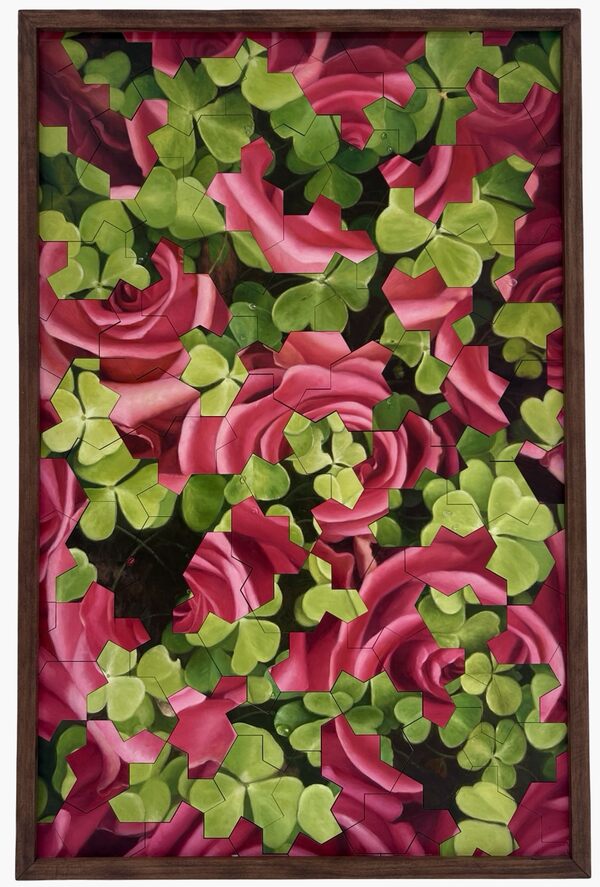
Love and Luck #2
Tim Williams
$4,500•
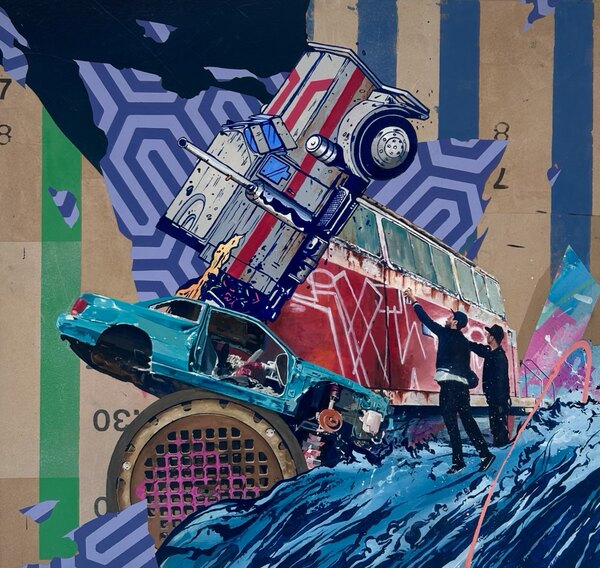
Objectivly better subjectively worse
Tim Williams
$5,000Inquire
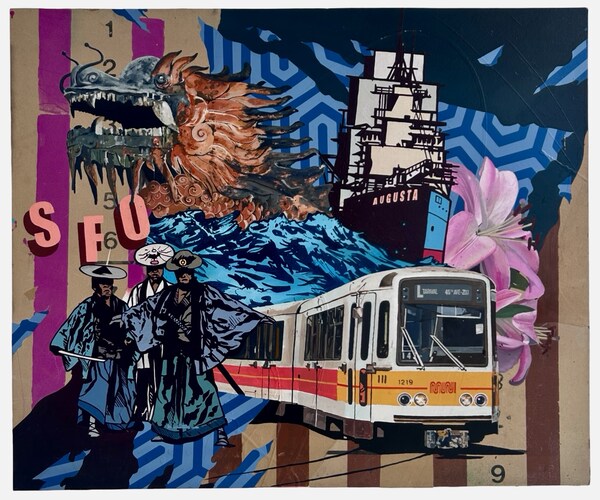
Midnight train to Frisco
Tim Williams
$6,000Inquire
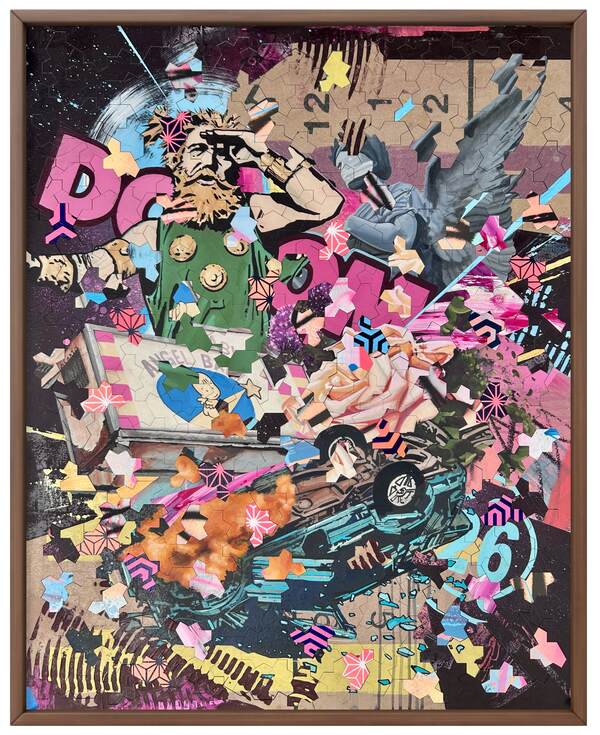
real friends till the real end
Tim Williams
$6,800Inquire
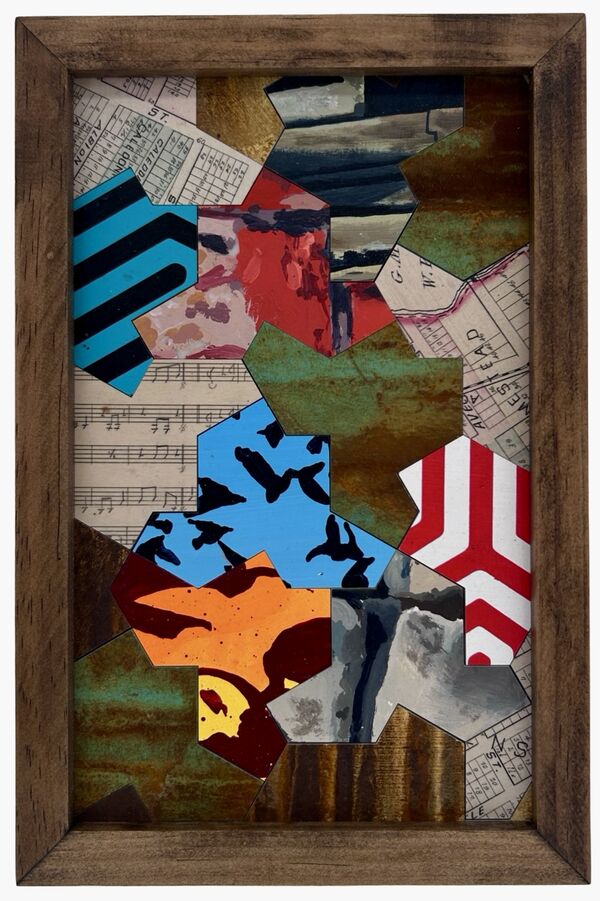
Einstein Tiles #1
Tim Williams
$700Inquire
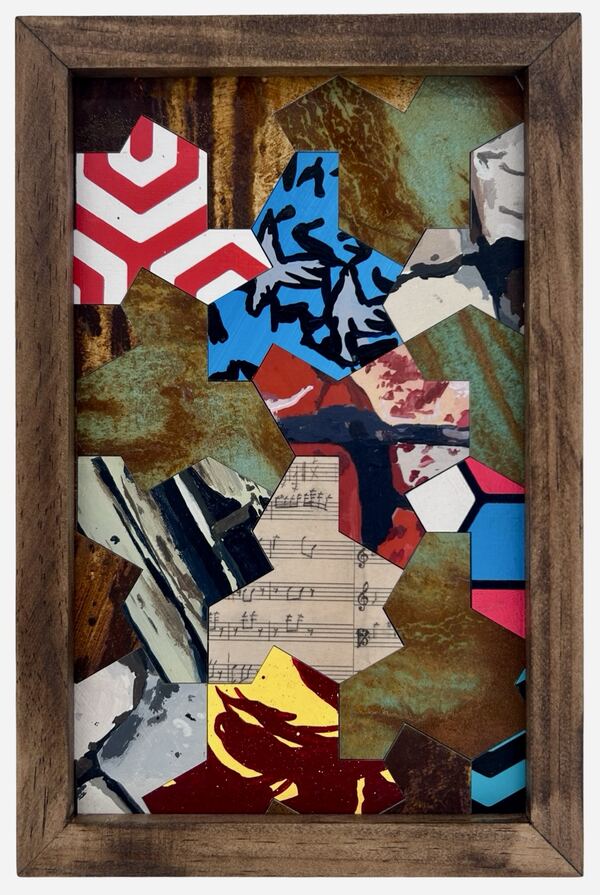
Einstein Tiles #2
Tim Williams
$700Inquire
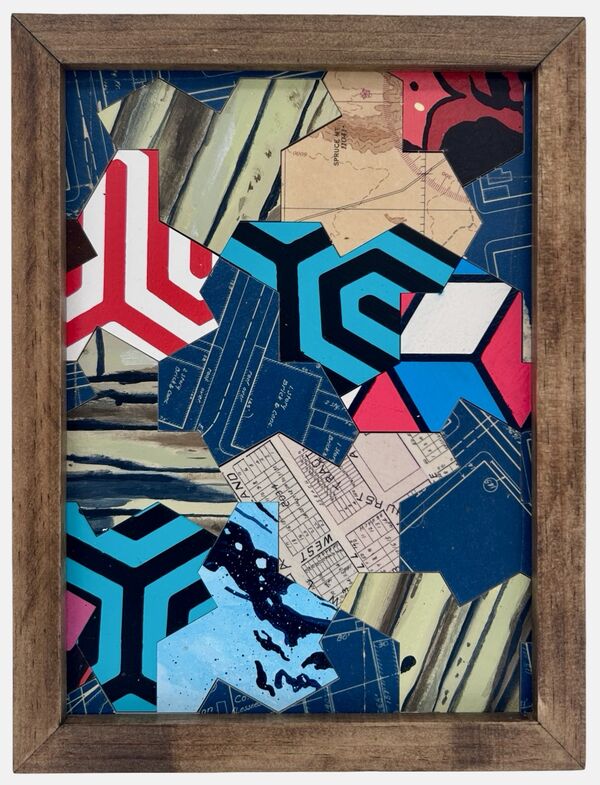
Einstein Tiles #4
Tim Williams
$700Inquire
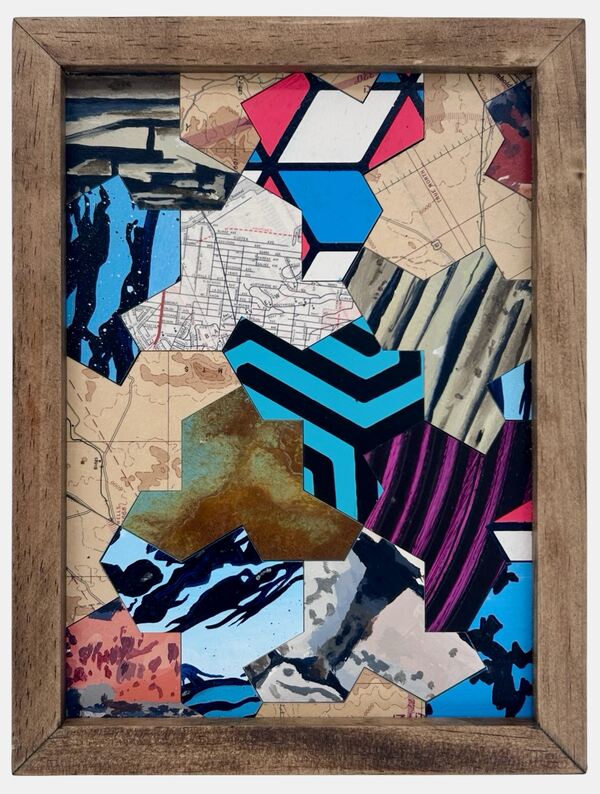
Einstein Tiles #5
Tim Williams
$700•
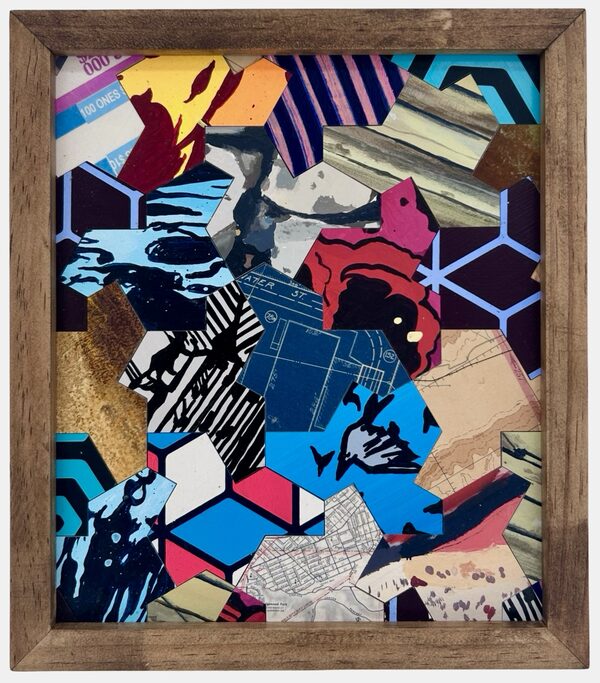
Einstein Tiles #6
Tim Williams
$800Inquire
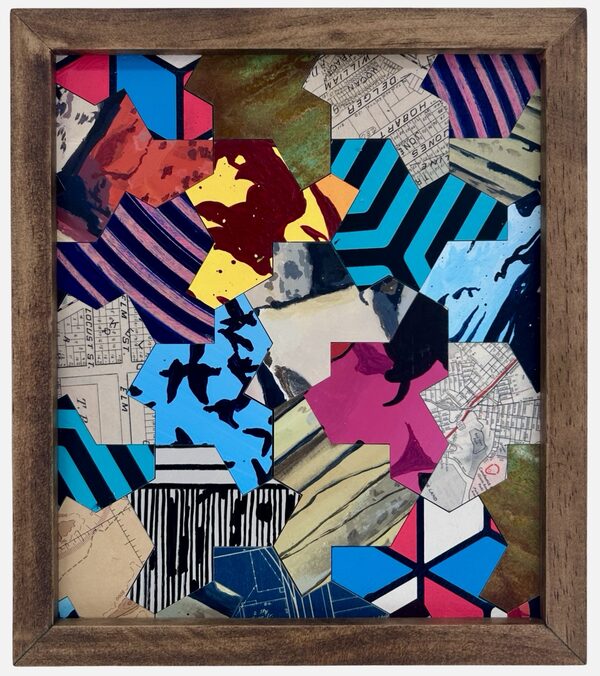
Einstein Tiles #7
Tim Williams
$800Inquire
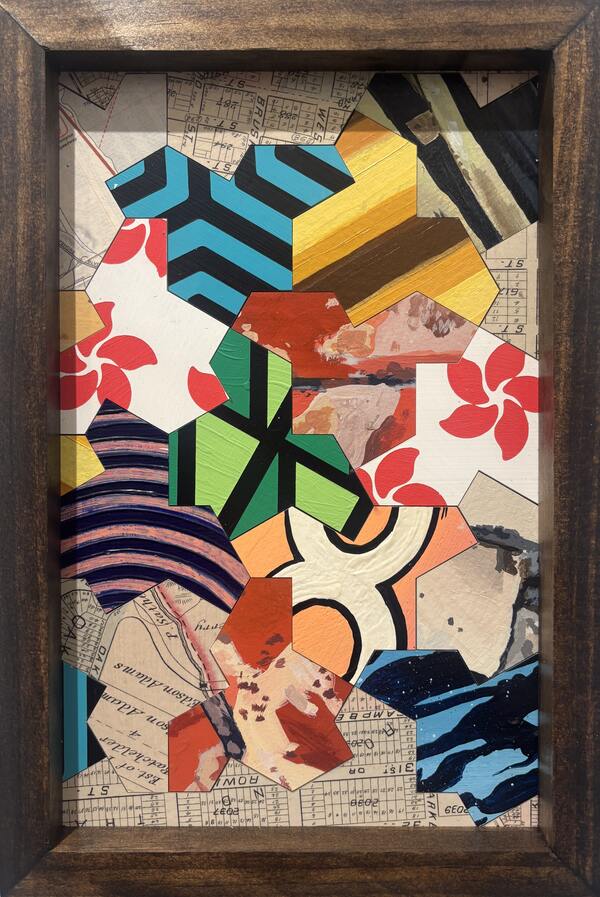
Einstein Tiles #8
Tim Williams
$750Inquire
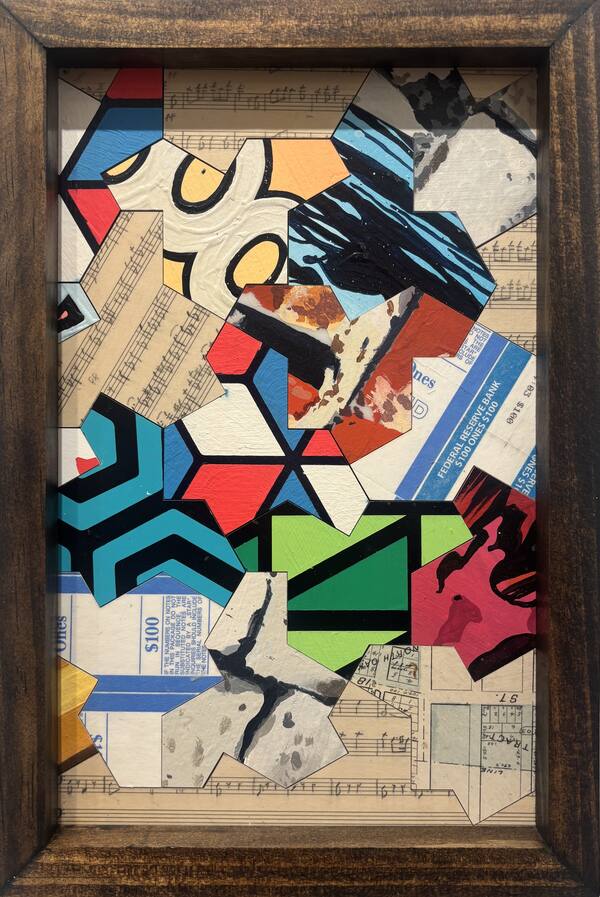
Einstein Tiles #9
Tim Williams
$750Inquire
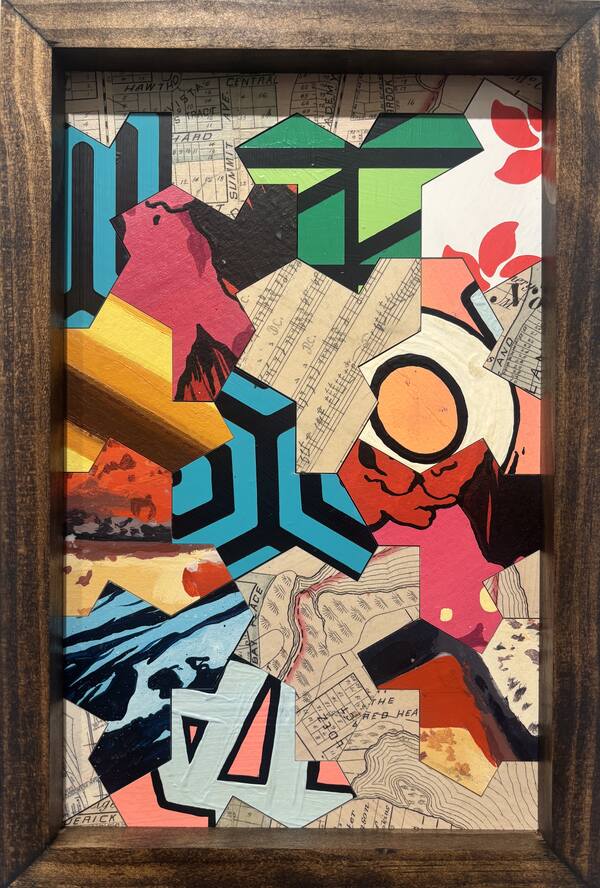
Einstein Tiles #10
Tim Williams
$750•
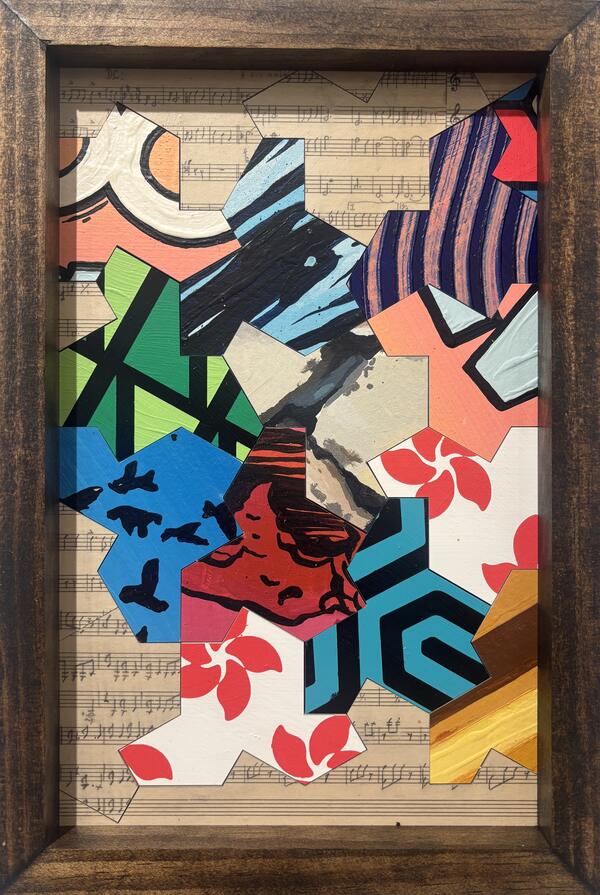
Einstein Tiles #11
Tim Williams
$750•
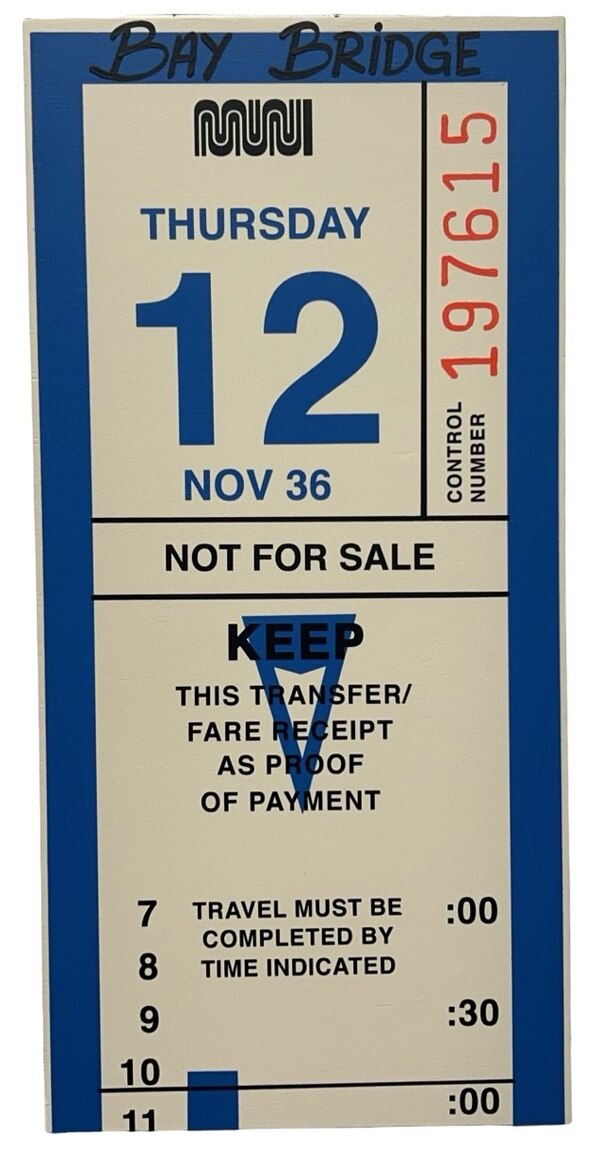
Muni Transfer Bay Bridge
Tim Williams
$1,200Inquire
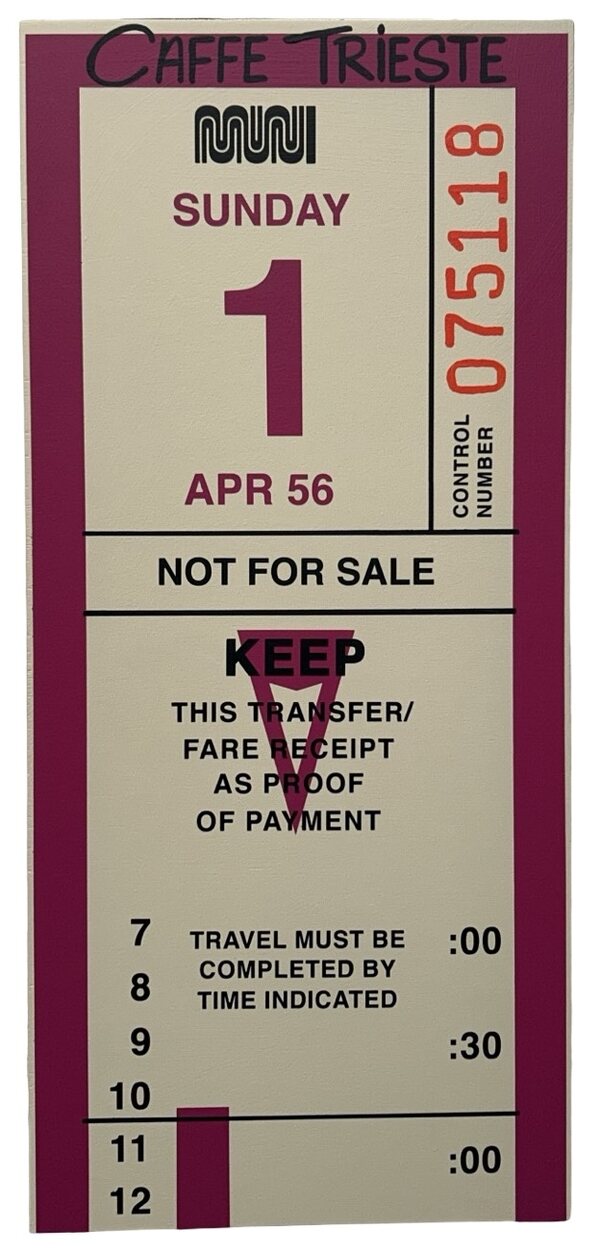
Muni Transfer Caffe Trieste
Tim Williams
$1,200Inquire
Muni Transfer Candle Stick Park
Tim Williams
$1,200Inquire
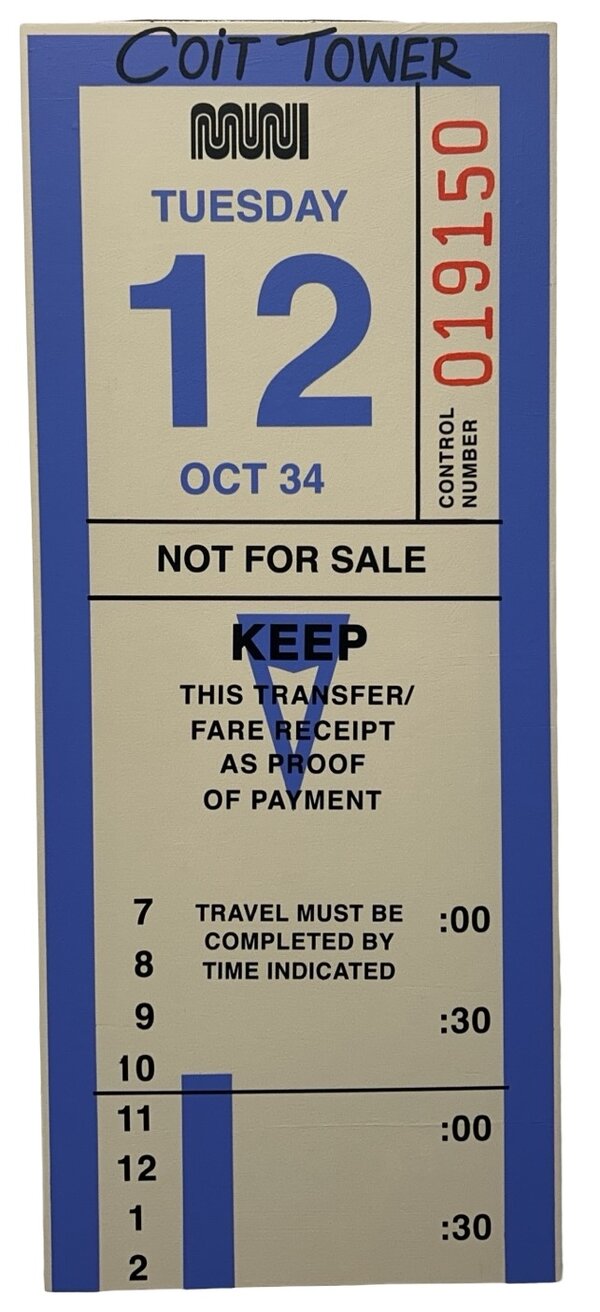
Muni Transfer Coit Tower
Tim Williams
$1,200Inquire
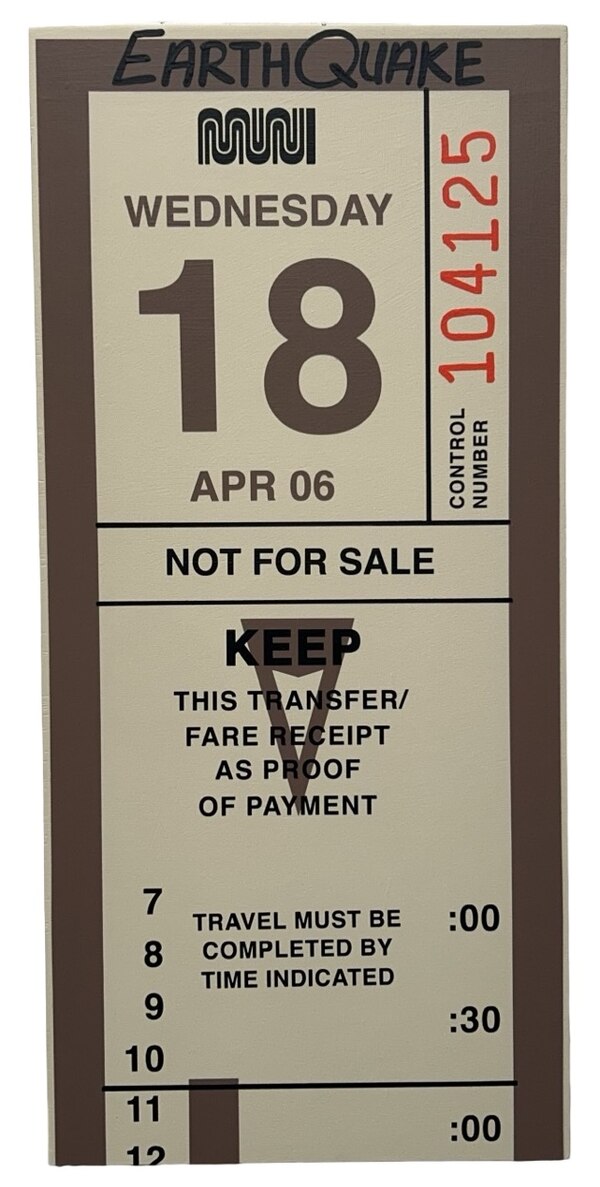
Muni Transfer Earthquake
Tim Williams
$1,200•
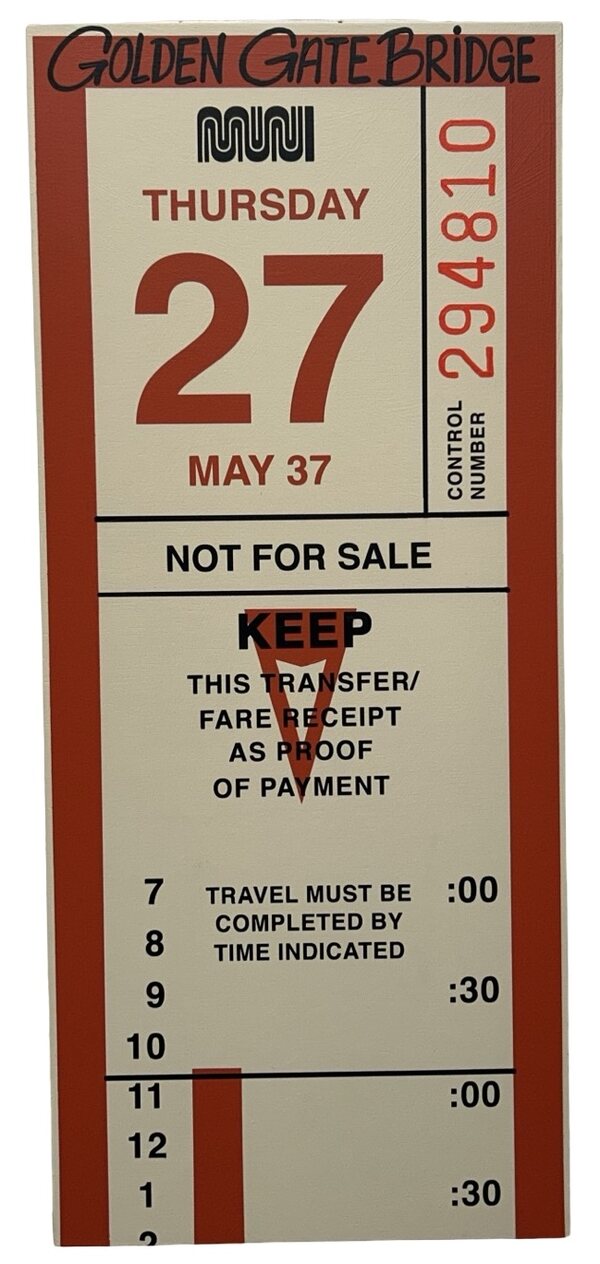
Muni Transfer Golden Gate Bridge
Tim Williams
$1,200Inquire
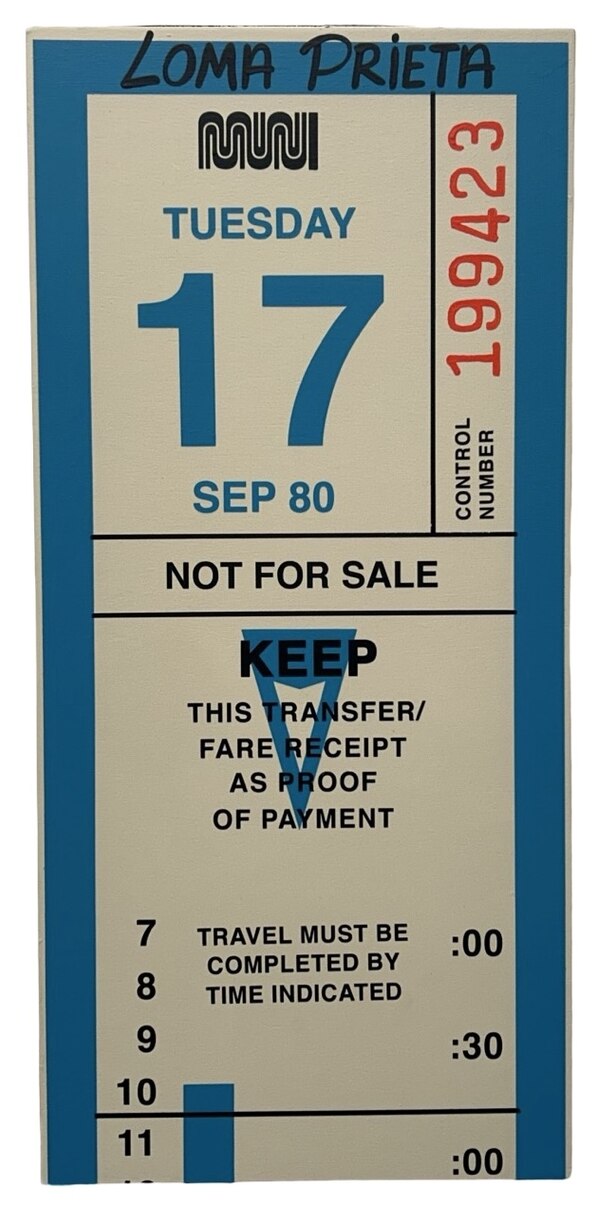
Muni Transfer Loma Prieta Earthquake
Tim Williams
$1,200Inquire
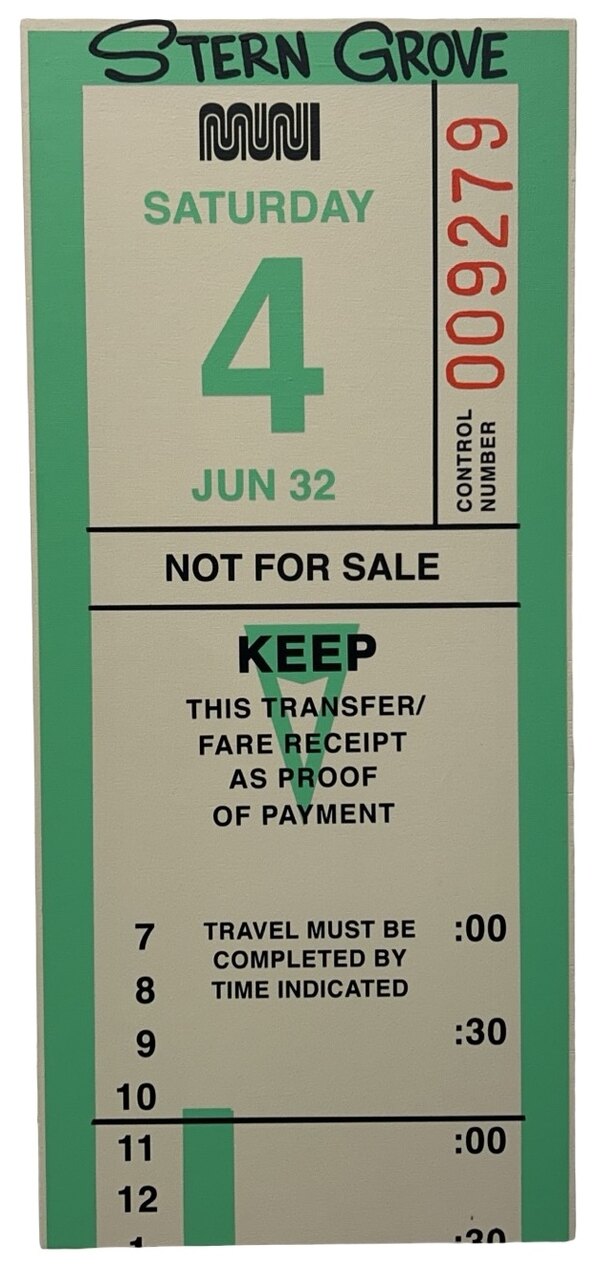
Muni Transfer Stern Grove
Tim Williams
$1,200Inquire
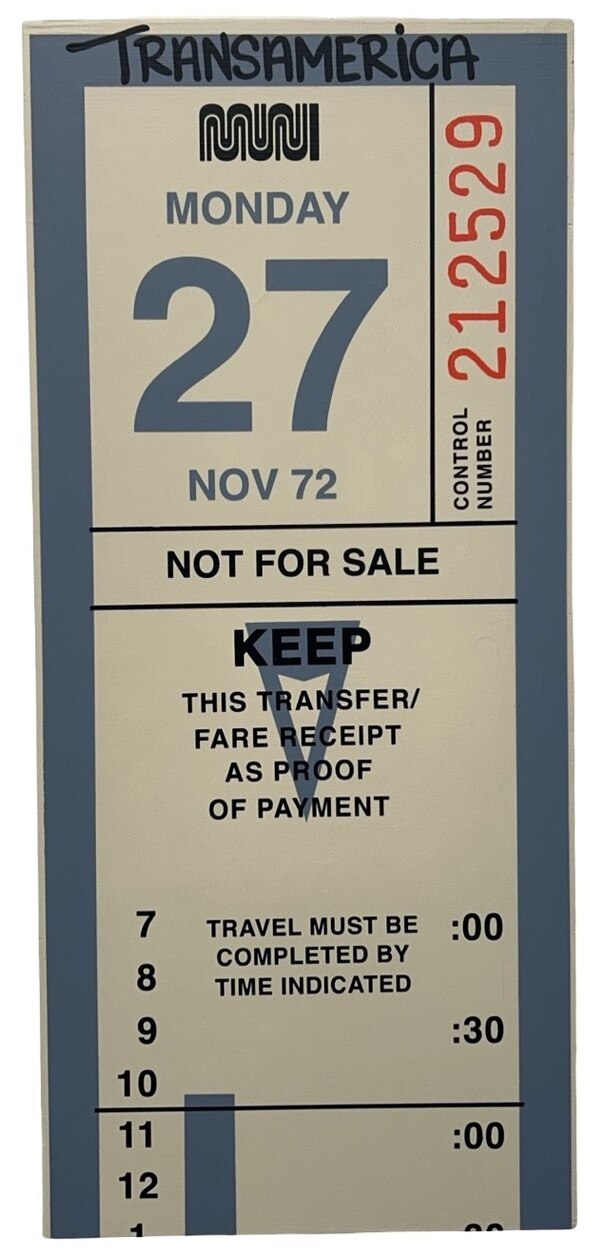
Muni Transfer Transamerica
Tim Williams
$1,200Inquire
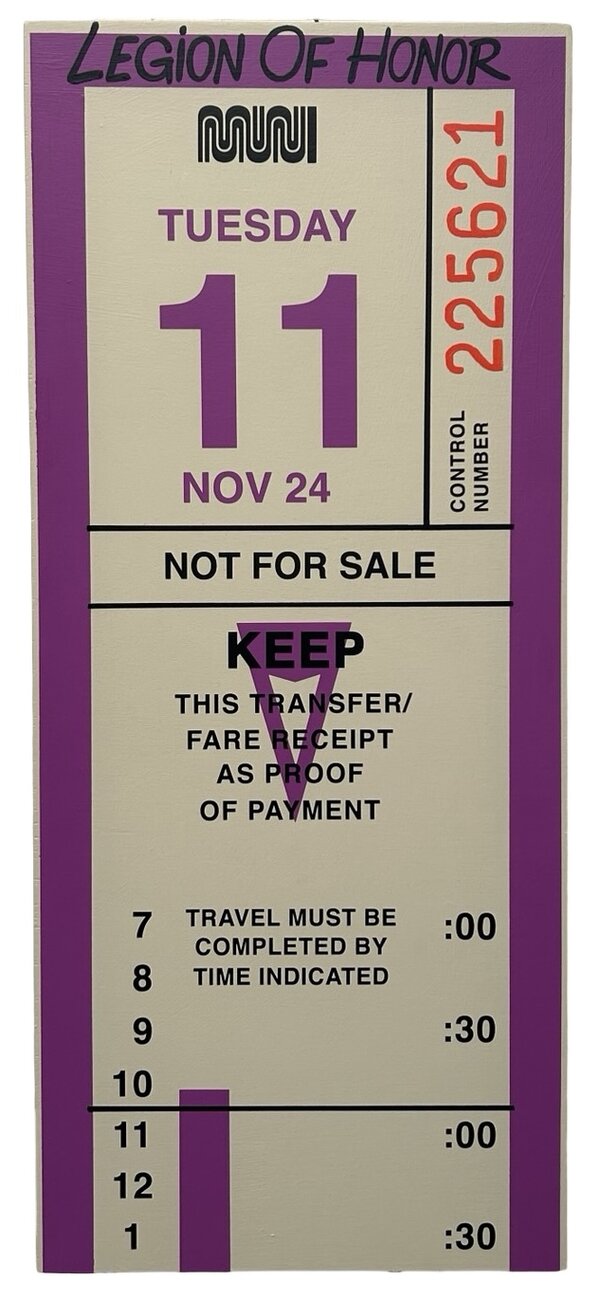
Muni Transfer Legion of Honor
Tim Williams
$1,200Inquire
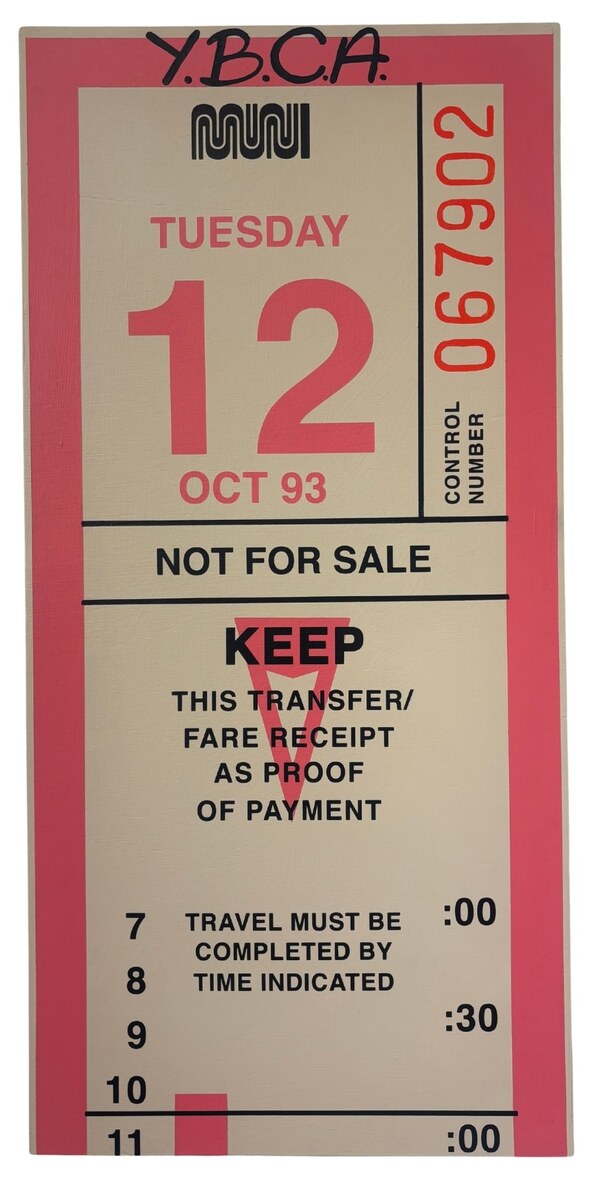
Muni Transfer YBCA
Tim Williams
$1,200Inquire
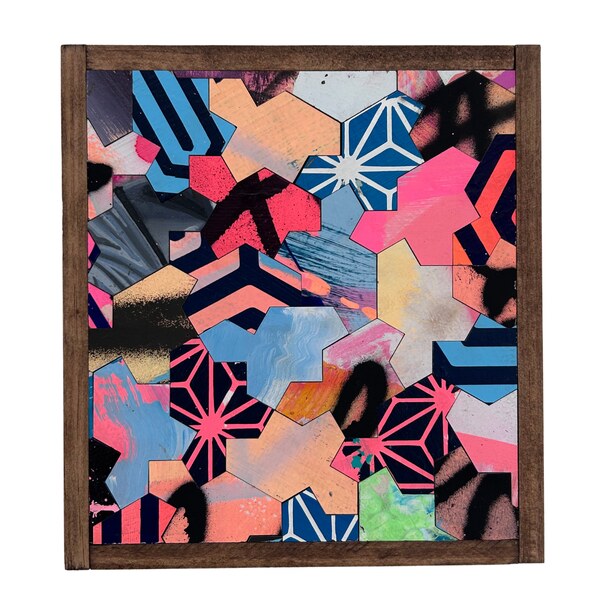
Bendzamin #1
Tim Williams
$400•
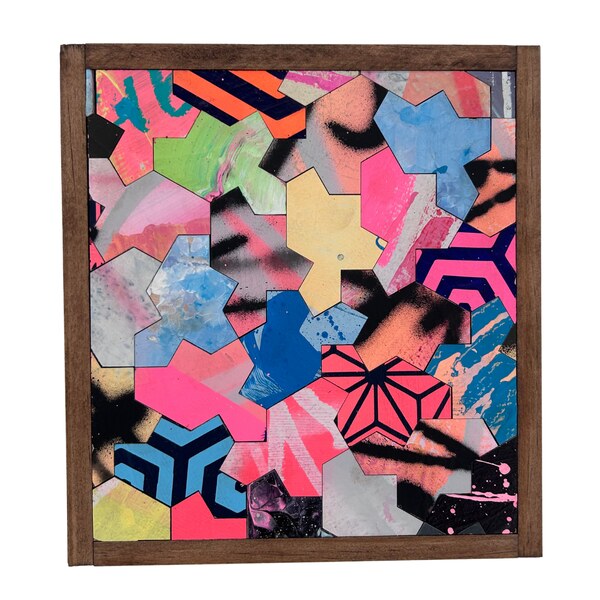
Bendzamin #2
Tim Williams
$400•
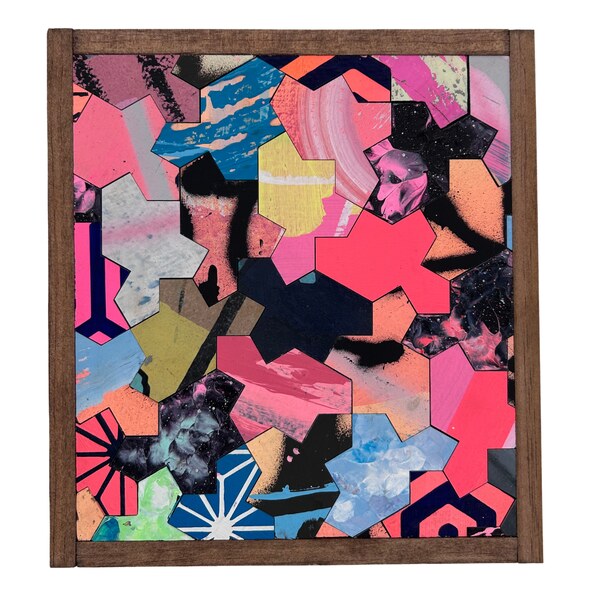
Bendzamin #3
Tim Williams
$400•
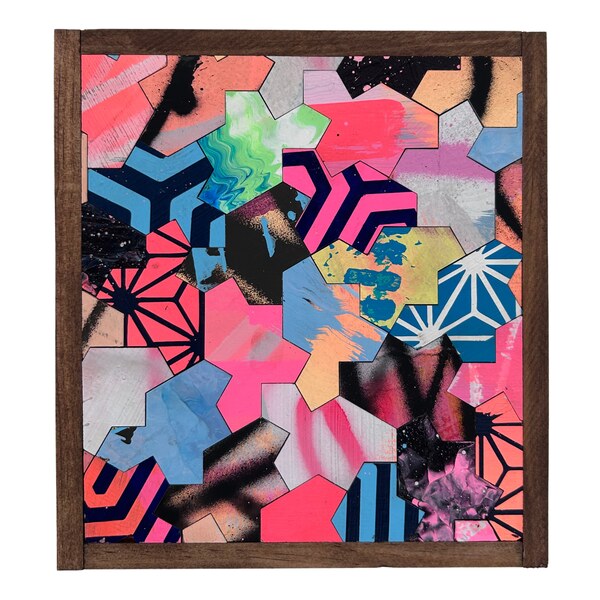
Bendzamin #4
Tim Williams
$400Inquire
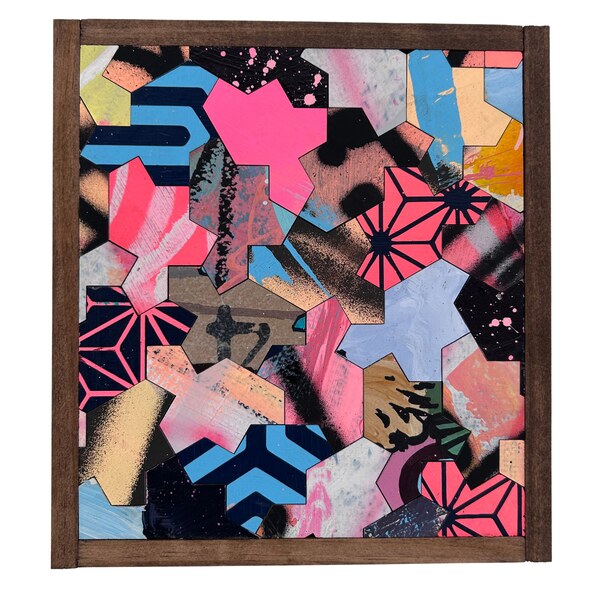
Bendzamin #5
Tim Williams
$400Inquire
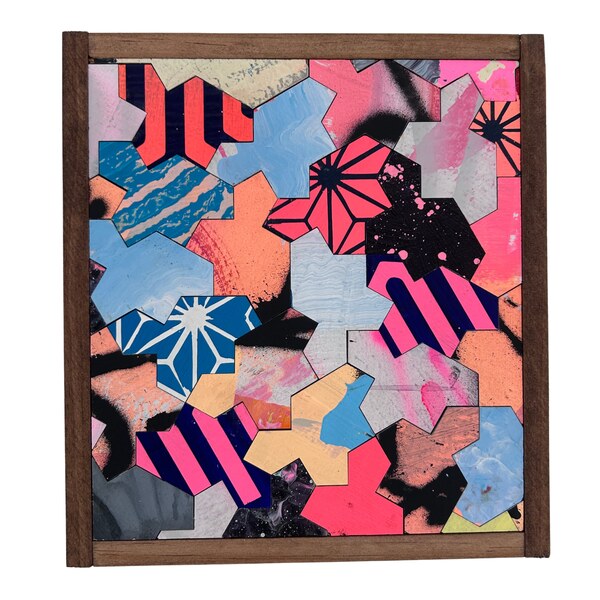
Bendzamin #6
Tim Williams
$400Inquire